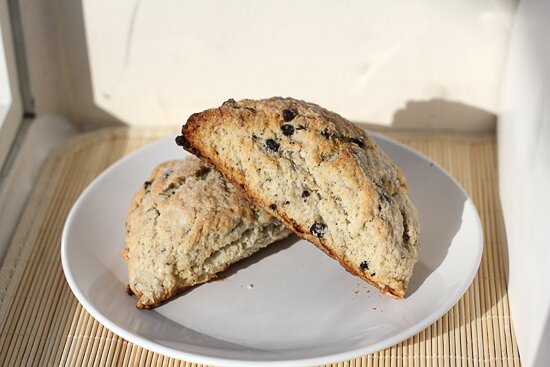
Master Tartine's Currant Scones: A Journey to Buttery Perfection
Imagine a culinary masterpiece that combines the rustic charm of a country bakery with the refined elegance of a gourmet patisserie. That, in essence, is the magic of Tartine's Currant Scones. Known for their ethereal flakiness, rich buttery notes, and a delightful touch of lemon, these scones have garnered a cult following for good reason. When paired with Tartine's signature luscious lemon cream, you're not just enjoying a pastry; you're indulging in an experience that transcends the ordinary.
This comprehensive guide will take you deep into the secrets behind these extraordinary scones, revealing not only how to achieve their coveted texture and flavor but also how to leverage the brilliance of freezing the dough for future indulgence. Prepare to unlock the full potential of Tartine's iconic recipe, transforming your kitchen into a haven of aromatic delight, perfect for everyday treats or special holiday gatherings.
The Allure of Tartine's Scones: Flaky, Buttery, and Bright
What makes Tartine's buttermilk currant scones stand head and shoulders above the rest? It begins with an unwavering commitment to quality ingredients and precise technique. These aren't just any scones; they are a celebration of contrasting textures and harmonious flavors.
- Unrivaled Flakiness: The hallmark of a truly great scone. This is achieved through the strategic use of cold butter, cut into small pieces and gently incorporated into the flour. As the butter melts in the oven, it creates pockets of steam, which in turn lift the layers of dough, resulting in that irresistible, light-as-air texture. For the best results, many bakers swear by high-quality Irish butter, which boasts a higher fat content and superior flavor, contributing significantly to the scones' richness.
- Rich Buttery Flavor: Beyond texture, the butter infuses the scones with an incredible depth of flavor. This richness is perfectly balanced by the tang of buttermilk, which also contributes to the scones' tender crumb.
- Lemony Zest & Sweet Currants: A burst of fresh lemon zest brightens the entire profile, cutting through the richness and adding a vibrant aromatic note. This zest pairs beautifully with the sweet, chewy Zante currants, which are scattered throughout the dough, providing delightful pockets of fruit in every bite.
- The Buttermilk Advantage: Buttermilk is a non-negotiable ingredient in this recipe. Its acidity reacts with the baking soda and powder, creating lift and contributing to the scones' tender texture. It also imparts a subtle tang that complements both the lemon and the currants exquisitely.
Achieving this level of perfection requires attention to detail. One invaluable tip, often stressed by professional bakers, is the use of a digital scale for measuring ingredients. This eliminates inconsistencies inherent in volume measurements, ensuring your flour, sugar, and butter ratios are always spot on for optimal texture and flavor.
Another game-changer? Opting for turbinado sugar to sprinkle on top before baking. While granulated sugar works, turbinado creates a more substantial, glittering crust with a satisfying crunch, adding another layer of texture and visual appeal to your finished scones.
Mastering Scone Dough Freezing for Effortless Elegance
One of the most powerful secrets to enjoying Tartine's Currant Scones on a whim is their exceptional ability to be frozen unbaked. This brilliant technique transforms scone baking from a leisurely project into an instant delight, perfect for busy mornings, unexpected guests, or simply satisfying a sudden craving.
The Freezing Process: Step-by-Step
- Prepare the Dough: Follow the recipe precisely, mixing your Tartine scone dough until just combined. Remember, minimal handling is key to tender scones.
- Shape and Cut: Gently pat the dough into your desired shape (often a round disc cut into wedges, or individual rounds).
- Flash Freeze: This is the crucial step. Arrange the cut scone pieces on a baking sheet lined with parchment paper, ensuring they don't touch. Place the baking sheet in the freezer for 30-60 minutes, or until the scones are solid to the touch. This prevents them from sticking together when stored in a bag.
- Store Properly: Once flash-frozen, transfer the solid scones into an airtight freezer-safe bag or container. Label with the date. They can be stored for up to 2-3 months without significant loss of quality.
Baking from Frozen: Pure Convenience
The beauty of freezing Tartine's scone dough is that you can bake them directly from frozen. There's no need to thaw! Simply preheat your oven as per the recipe instructions, arrange the frozen scones on a baking sheet, and bake. You may need to add an extra 3-5 minutes to the baking time to ensure they are cooked through and beautifully golden brown.
This method is a lifesaver for holiday preparation, allowing you to bake ahead and have fresh, warm scones ready for Thanksgiving brunch or a cozy Christmas morning. Imagine waking up to the irresistible aroma of freshly baked Tartine's currant scones lemon cream-ready without any fuss.
The Luscious Pairing: Crafting Tartine's Signature Lemon Cream
While Tartine's scones are undeniably delicious on their own – even without a dab of butter, as some attest – the addition of their luscious lemon cream elevates the experience to truly sublime heights. This bright, tangy, and silky smooth topping is the perfect counterpoint to the rich, slightly sweet scones, creating a symphony of flavors that is utterly irresistible.
Why the Lemon Cream is Essential
The lemon cream isn't just an accessory; it's an integral part of the Tartine scone experience. It offers:
- A Burst of Brightness: The zesty lemon cuts through the richness of the scone's butter, cleansing the palate and invigorating the senses.
- Creamy Texture: Its smooth, velvety consistency provides a delightful contrast to the scone's flaky crumb, adding a luxurious mouthfeel.
- Balanced Sweetness: The cream typically strikes a perfect balance between tart and sweet, enhancing the natural sweetness of the currants without overwhelming it.
Though the full recipe for Tartine's lemon cream is extensive and often linked separately, it generally involves combining fresh lemon juice and zest, sugar, eggs (or egg yolks), and butter, cooked gently until thickened. Key tips for making any lemon cream include cooking over low heat, constant whisking to prevent scorching, and often straining the finished product through a fine-mesh sieve for ultimate smoothness. This preparation can also be done ahead of time, making it another excellent component for holiday baking or simply simplifying your scone-making day.
For more detailed instructions on creating this divine accompaniment, refer to resources that specifically outline the Tartine Lemon Cream recipe, ensuring you achieve that signature "luscious and bright" quality. You'll find it's a worthwhile endeavor for truly gilding the lily, especially during celebratory times. For a complete guide to making both, check out: Holiday Perfection: Tartine's Buttermilk Currant Scones & Lemon Cream.
Serving Suggestions and the Art of Scone Enjoyment
Once your Tartine's Currant Scones are golden brown and filling your kitchen with an intoxicating aroma, the final step is to enjoy them. There are myriad ways to savor these delights:
- The Classic Trio: Serve warm scones with a generous dollop of good Irish butter and a spoonful of your favorite fruit jam. Strawberry, raspberry, or blackcurrant jam are all excellent choices that complement the currants within the scone.
- The Tartine Way: Embrace the full experience by slathering them with homemade Tartine's Lemon Cream. The combination is simply unparalleled.
- With Hot Tea or Coffee: A warm beverage is the quintessential companion to scones. A strong black tea or a creamy latte creates a cozy and comforting experience.
- Experiment with Add-ins: While currants are traditional, don't shy away from experimentation. As some bakers suggest, dried cherries or even a mix of dried berries can add a delightful twist, especially during different seasons.
Whether you're preparing them for a solitary morning treat, a bustling brunch, or as a thoughtful gesture for a loved one (who, like my father, might devour two or three with contented mumbles), Tartine's scones are a guaranteed hit. They evoke a sense of warmth, tradition, and simple indulgence. And yes, for those wondering about pronunciation, while it's a playful debate, a true scone enthusiast might just call them "scon" and then proceed to enjoy every flaky bite.
Mastering Tartine's Currant Scones, complete with the convenience of freezing dough and the luxury of homemade lemon cream, is a deeply rewarding culinary journey. By understanding the critical role of cold butter, the tangy lift of buttermilk, and the bright counterpoint of lemon, you're not just following a recipe; you're engaging with a tradition of excellence. These scones are more than just a baked good; they're an invitation to slow down, savor, and share moments of pure, buttery joy. So, break out your digital scale, embrace the chill of cold butter, and prepare to elevate your baking to Tartine-level perfection.
